
MIM Process is a cutting-edge manufacturing process that blends plastic injection molding’s flexibility with metallurgy’s strength, ideal for complex, high-precision metal parts. This article breaks down the MIM manufacturing process from raw materials to finished components, highlighting its unique advantages in medical, consumer electronics, and automotive industries.
The MIM Process Flow: 4 Core Stages
1. Feedstock Preparation: Blending Metal and Polymers
- Materials:
- Metal Powders (60-70%): Stainless steel 316L, titanium alloys, tungsten carbide (particle size ≤20μm).
- Binders (30-40%): Thermoplastics (e.g., PP, PE) or waxes for flowability.
- Mixing:
- A twin-screw extruder blends powders and binders at 150–200°C to create homogeneous MIM feedstock.
- Pelletized into 2–5mm granules for injection molding.
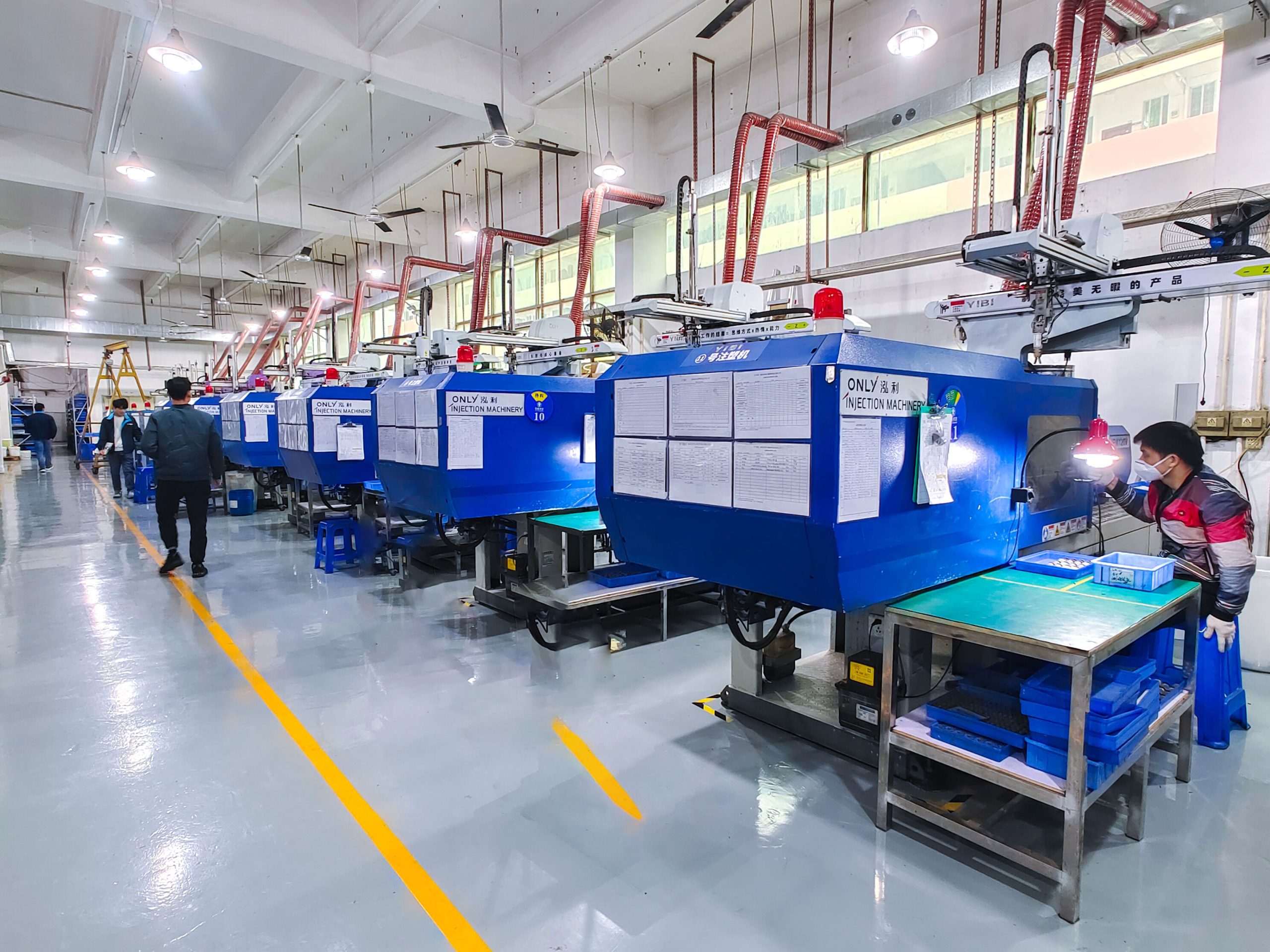
2. Injectio Molding: Shaping Metal Like Plastic
- Equipment: Modified plastic injection machines with higher pressure (70–140 MPa).
- Process:
- Feedstock is melted and injected into molds to form “green parts,” sized 1.15–1.25x the final dimensions (to account for sintering shrinkage).
- Achieves ultra-fine features: 0.2mm walls, 0.1mm holes, multi-directional threads.
3. Debinding: Removing Binders Precisely
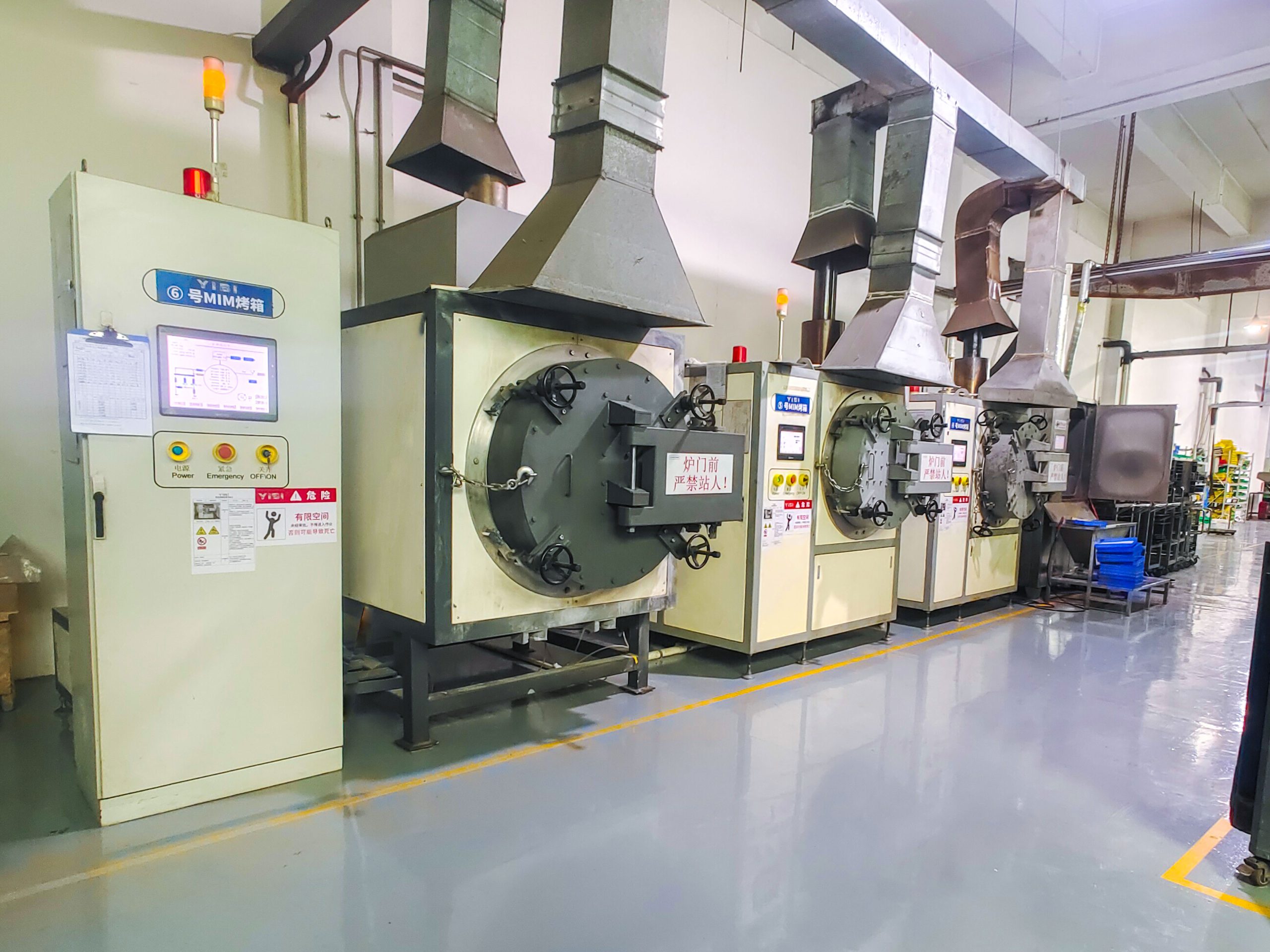
- Solvent Debinding (Stage 1):
- Green parts are soaked in solvents (e.g., trichloroethylene) to dissolve 60–80% binders (4–12 hours).
- Thermal Debinding (Stage 2):
- Residual binders are decomposed under nitrogen at 400–600°C.
- Catalytic Debinding (Optional):
- Nitric acid vapor accelerates binder removal by 50% for larger parts.
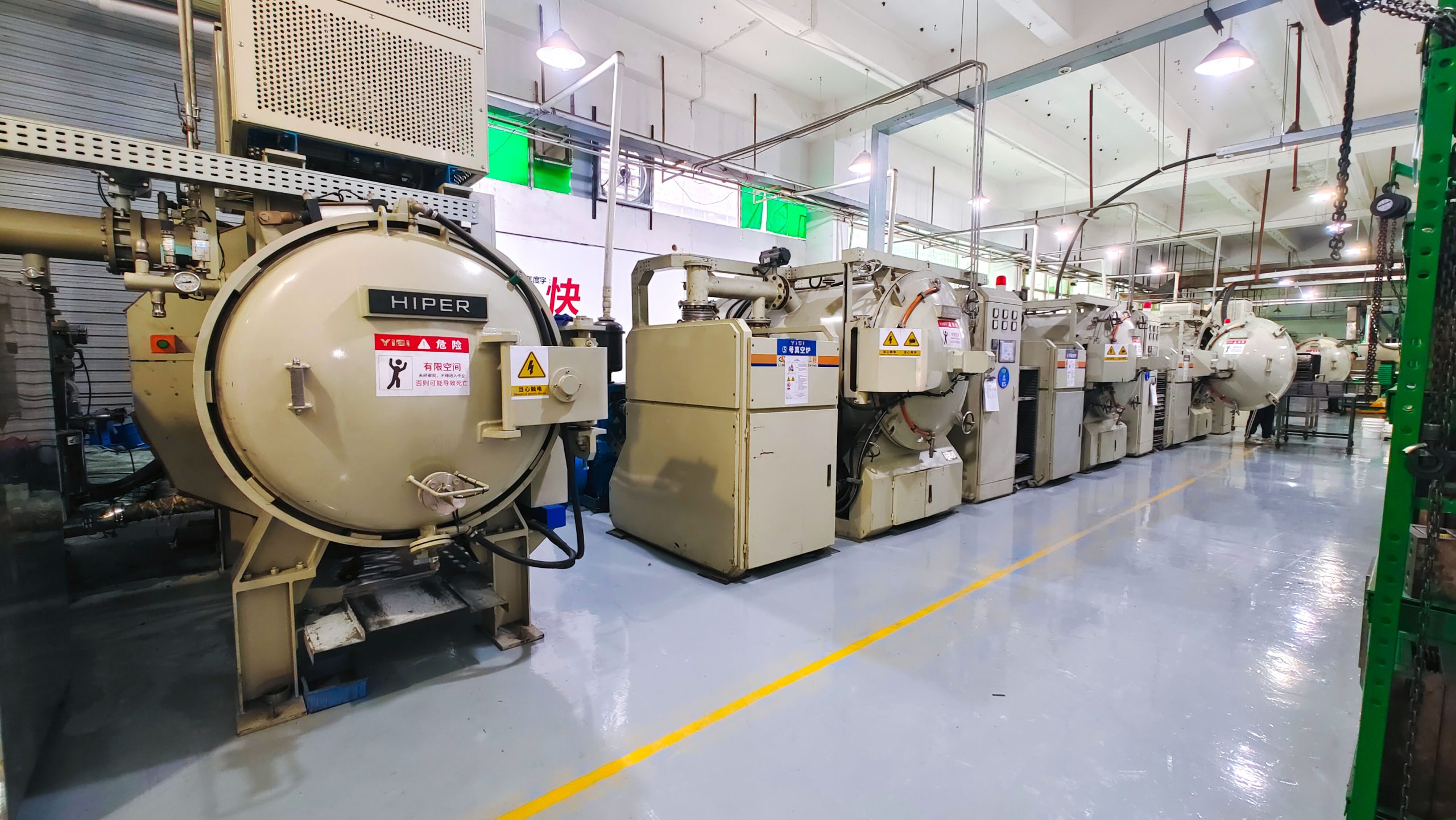
4. Sintering: Transforming Powder into Metal
- Equipment: High-temperature vacuum or hydrogen atmosphere furnaces.
- Parameters:
- Temperature: Near metal melting points (e.g., 1,310–1,390°C for stainless steel).
- Time: 1–8 hours, depending on part size.
- Results:
- 15–20% linear shrinkage, achieving 96–99% density (comparable to wrought metals).
- Tensile strength: >500 MPa for stainless steel MIM-processed parts.
Post-Processing in the MIM Workflow
- Surface Treatments:
- Electroplating (nickel, gold): Enhances corrosion resistance and aesthetics (e.g., smartwatch cases).
- Polishing: Reduces surface roughness from Ra 1.6μm to Ra 0.4μm.
- Heat Treatment:
- Quenching and tempering boost stainless steel hardness from HRC 20 to HRC 45.
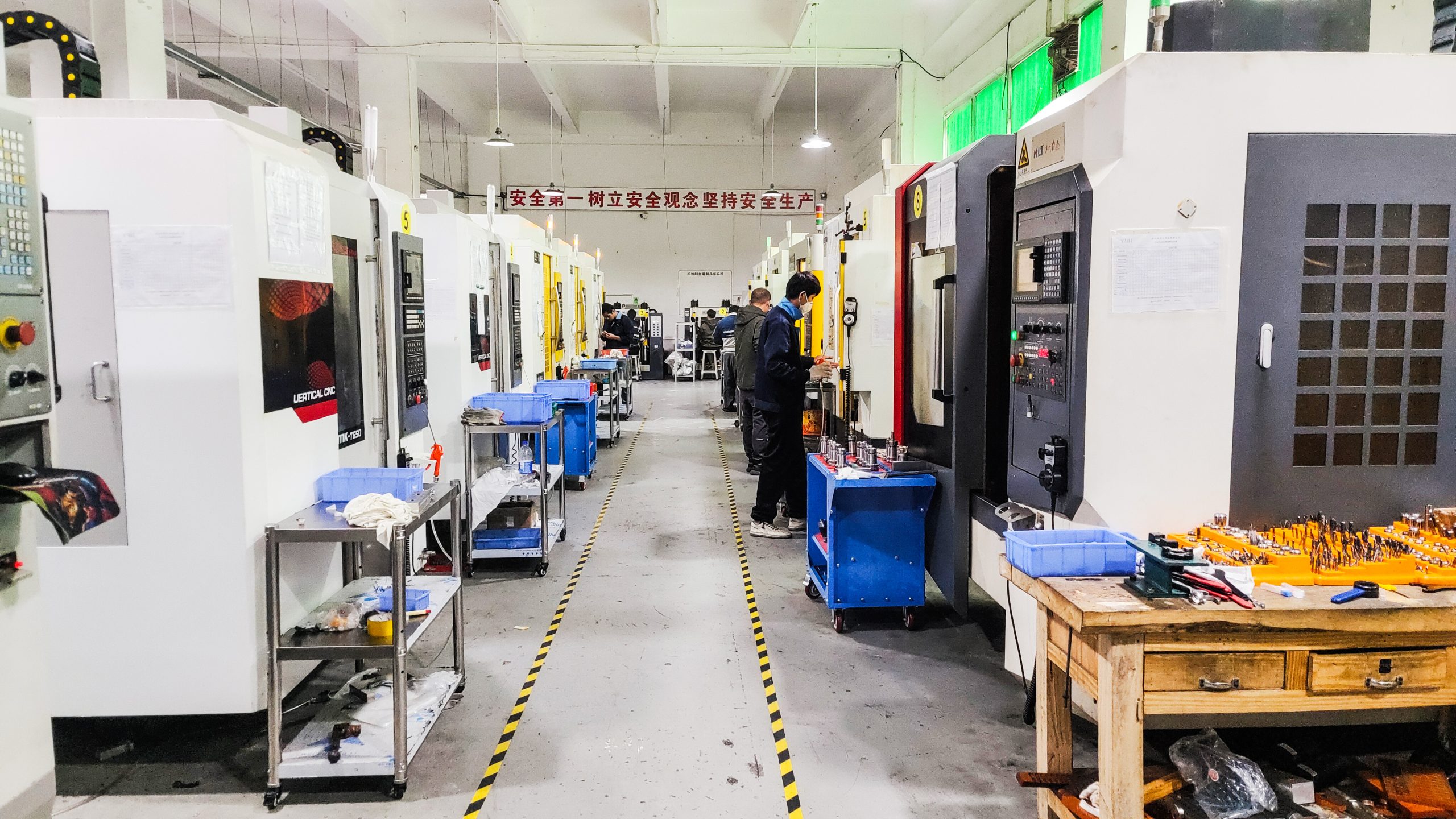
- Machining:
- Precision CNC drilling/tapping for critical tolerances (±0.01mm).
Why Choose the MIM Process? Key Applications
| Industry | Signature MIM Parts | Traditional Challenges | MIM Process Advantages |
|---|---|---|---|
| Medical | Surgical tool joints, dental implants | Fragile micro-threads during machining | Net-shape complexity, Ra <1.6μm |
| Consumer Electronics | Foldable hinges, earbud magnetic lids | Thin-wall stamping deformation | 0.3mm walls with >98% yield |
| Automotive | Fuel injector nozzles, turbo vanes | Casting porosity issues | Near-full density, high-temperature fatigue resistance |
Limitations and Innovations in the MIM Process
| Limitation | Breakthrough |
|---|---|
| Part size typically <100g | Large-scale MIM furnaces (500g capacity) |
| High initial tooling costs (>$20k) | Modular molds for low-volume runs |
| Long debinding time (70% of cycle) | Catalytic debinding cuts to 8 hours |
Future Trends in the MIM Manufacturing Process
- Micro-Scale MIM: Producing 0.1g parts (e.g., vascular stents, micro-sensors).
- Eco-Friendly MIM: Water-soluble binders replace toxic solvents.
- Smart MIM: AI-driven sintering shrinkage compensation.
Conclusion
The MIM process unlocks unprecedented possibilities for complex, miniaturized metal parts—from life-saving medical devices to sleek consumer gadgets. By mastering this metal injection molding workflow, manufacturers achieve precision, cost efficiency, and design freedom unmatched by traditional methods.
[contact-form][contact-field label=”显示名称” type=”name” required=”true” /][contact-field label=”电子邮箱地址” type=”email” required=”true” /][contact-field label=”网站地址” type=”url” /][contact-field label=”邮件” type=”textarea” /][/contact-form]