
The MIM process performance comparison with traditional casting reveals overwhelming advantages for complex small parts. This article analyzes key metrics like density, strength, and precision through MIM process performance comparison, supported by real-world medical and automotive cases.
1. Metal Injection Molding Process Performance Comparison
| Metric | MIM Process | Casting | MIM Performance Advantage |
|---|---|---|---|
| Density | 96-99% | 85-93% | 30% denser |
| Tensile Strength | 500-1,000 MPa (stainless steel) | 300-500 MPa (cast stainless) | 60% stronger |
| Surface Roughness (Ra) | 1.6-3.2μm | 12.5-25μm | 5x smoother |
| Dimensional Tolerance | ±0.3% | ±1-2% | 3x more precise |
| Salt Spray Test | >500 hours | <200 hours | 2.5x more corrosion-resistant |
Conclusion: The Metal Injection Molding proves its dominance for complex small parts.
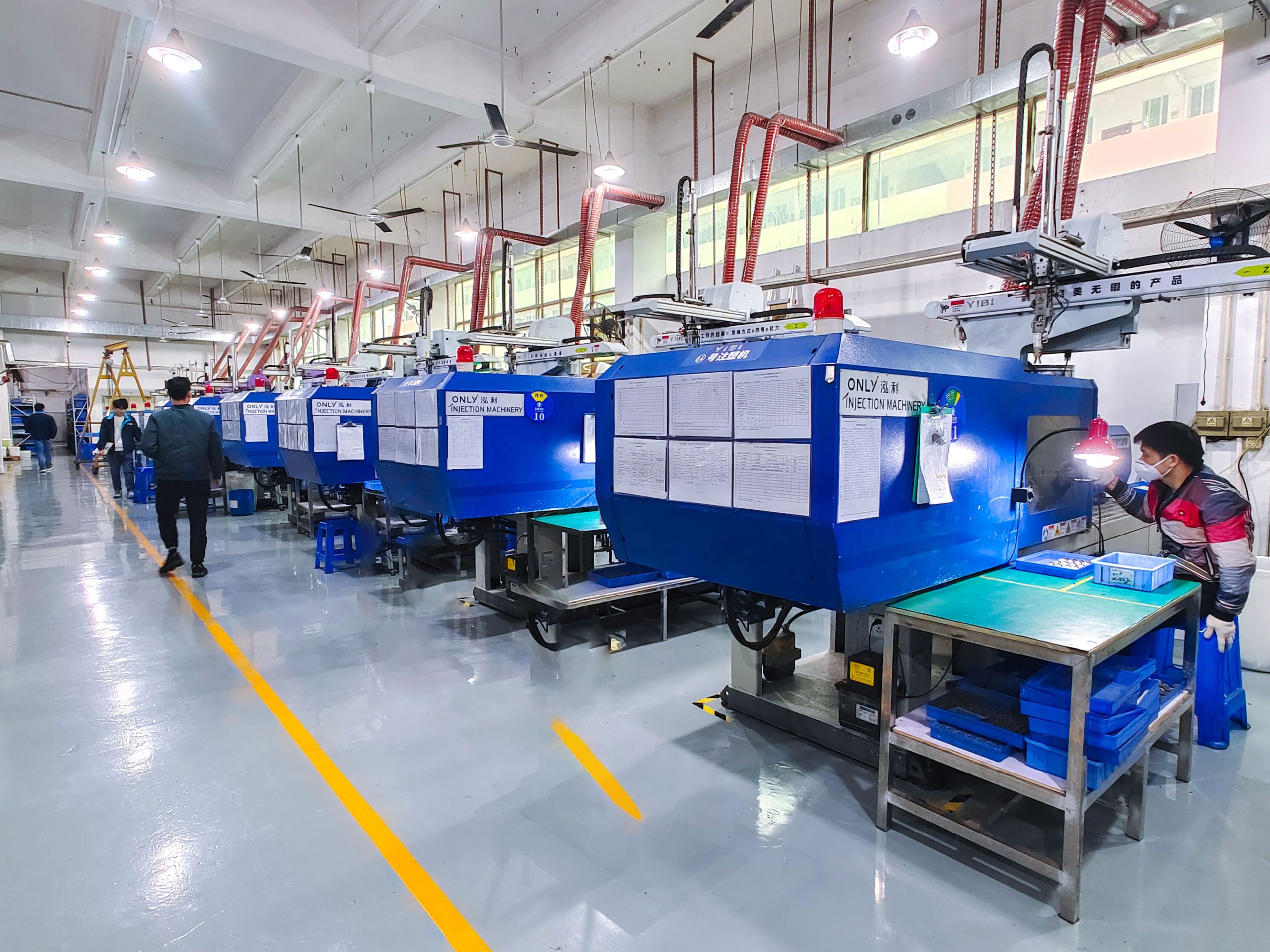
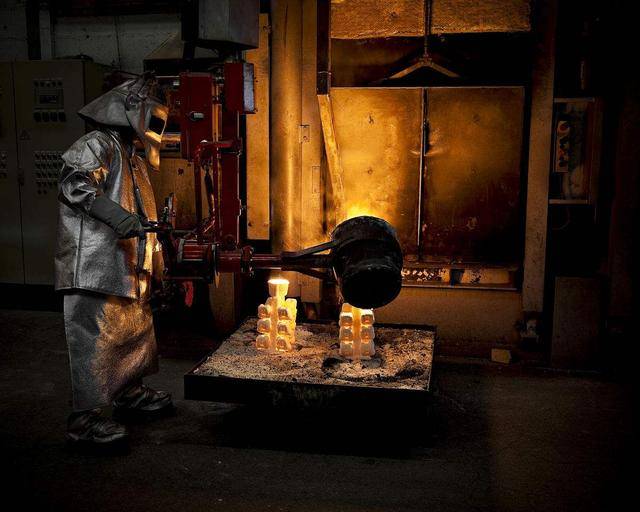
2. Case Studies: How MIM Process Performance Comparison Redefines Manufacturing
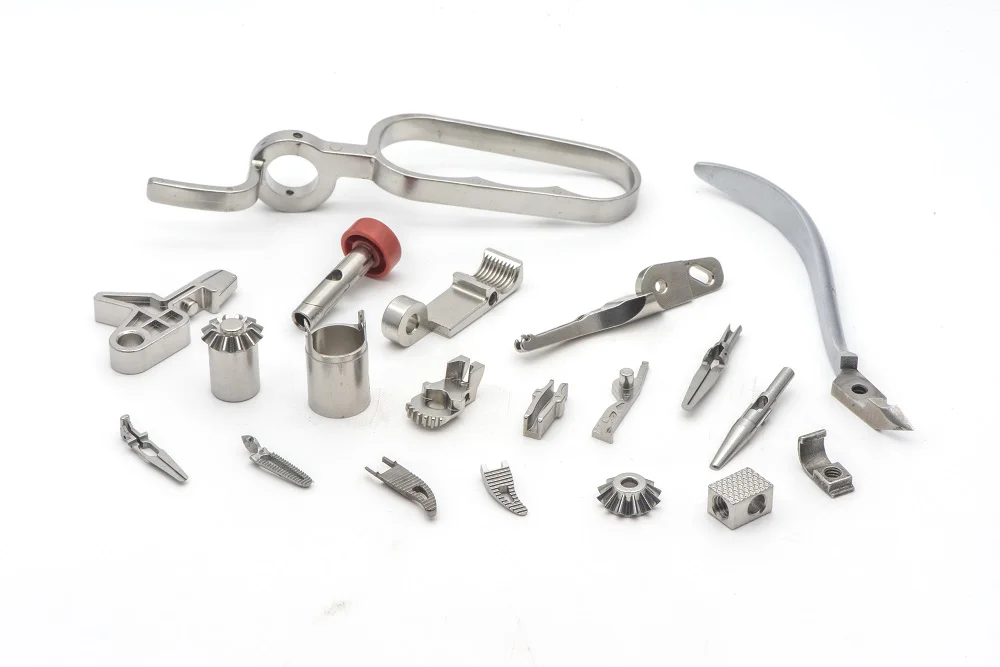
1. Medical Bone Screws
- Casting Flaw: >5% porosity, bacterial risks.
- MIM Process Performance Comparison: >98% density, direct sterilization, 60% higher strength.
2. Automotive Turbo Vanes
- Casting Issue: Porosity expands under heat, lifespan <50,000 km.
- MIM Process Performance Comparison: Withstands 1,000°C, lifespan >150,000 km.
3. Limitations of Metal Injection Molding
- Part Size: Best for <200g parts; casting suits >500g components.
- Special Alloys: Cast nickel-based superalloys (MIM material limits).
- Ultra-Low-Cost Prototypes: Sand casting for <100 units.
4. Future Breakthroughs in Metal Injection Molding
- Density Boost: HIP-assisted sintering achieves >99.5% density.
- High-Temperature Limits: Nickel-based MIM feedstocks (>1,200°C).
5. Validate the Metal Injection Molding
[Submit Your Design] → Get free samples + Metal Injection Molding report (density, corrosion, fatigue data).
[contact-form][contact-field label=”显示名称” type=”name” required=”true” /][contact-field label=”电子邮箱地址” type=”email” required=”true” /][contact-field label=”网站地址” type=”url” /][contact-field label=”邮件” type=”textarea” /][/contact-form]