
3D Printing vs MIM Technology Showdown
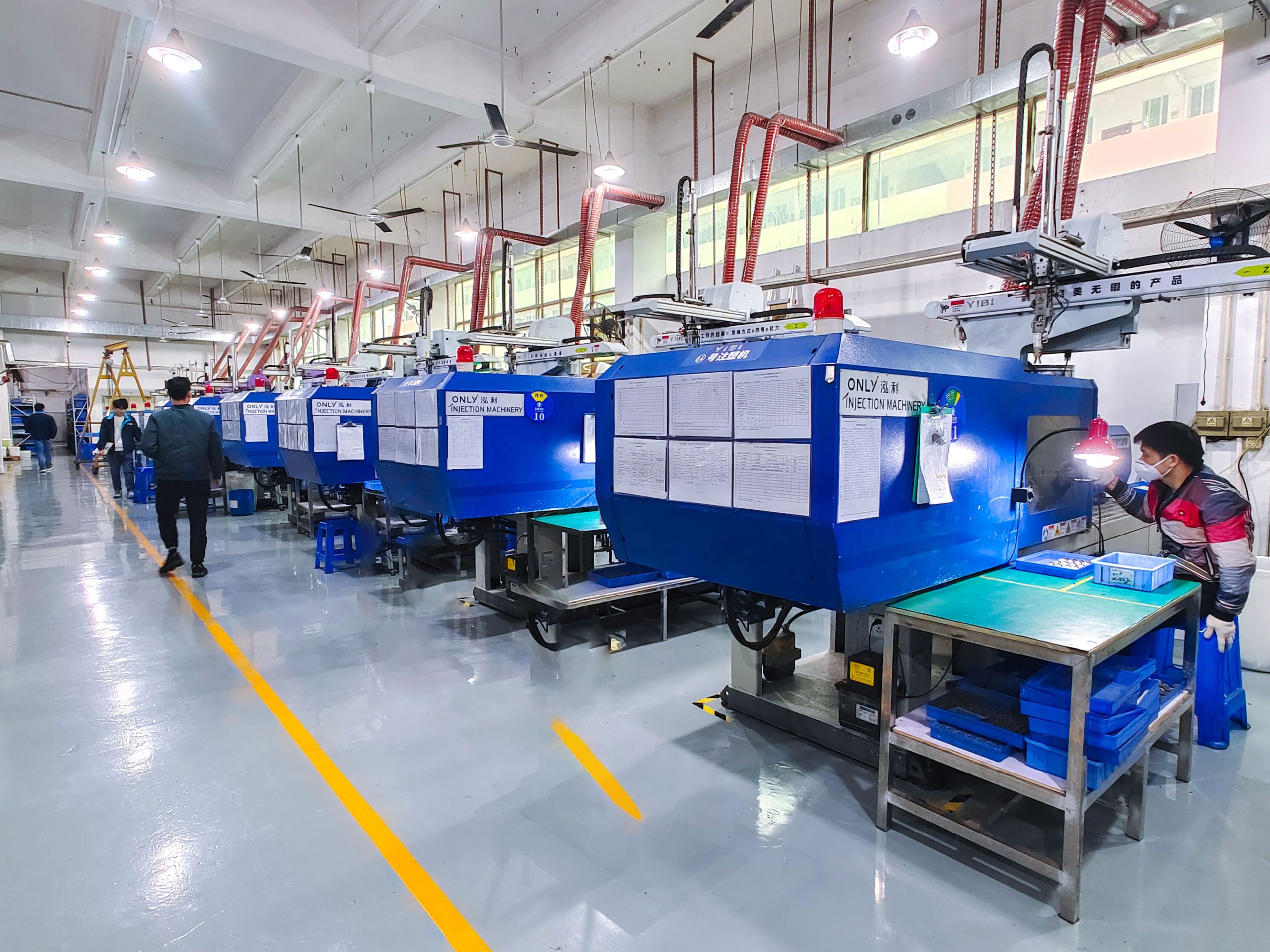
How MIM Works
- Feedstock Prep: 15-20μm metal powder + binder
- Molding: 150-200MPa pressure forms green parts
- Debinding: Removes 85-95% binder
- Sintering: 95-99% density at 1,300-1,500°C
Key Strengths:
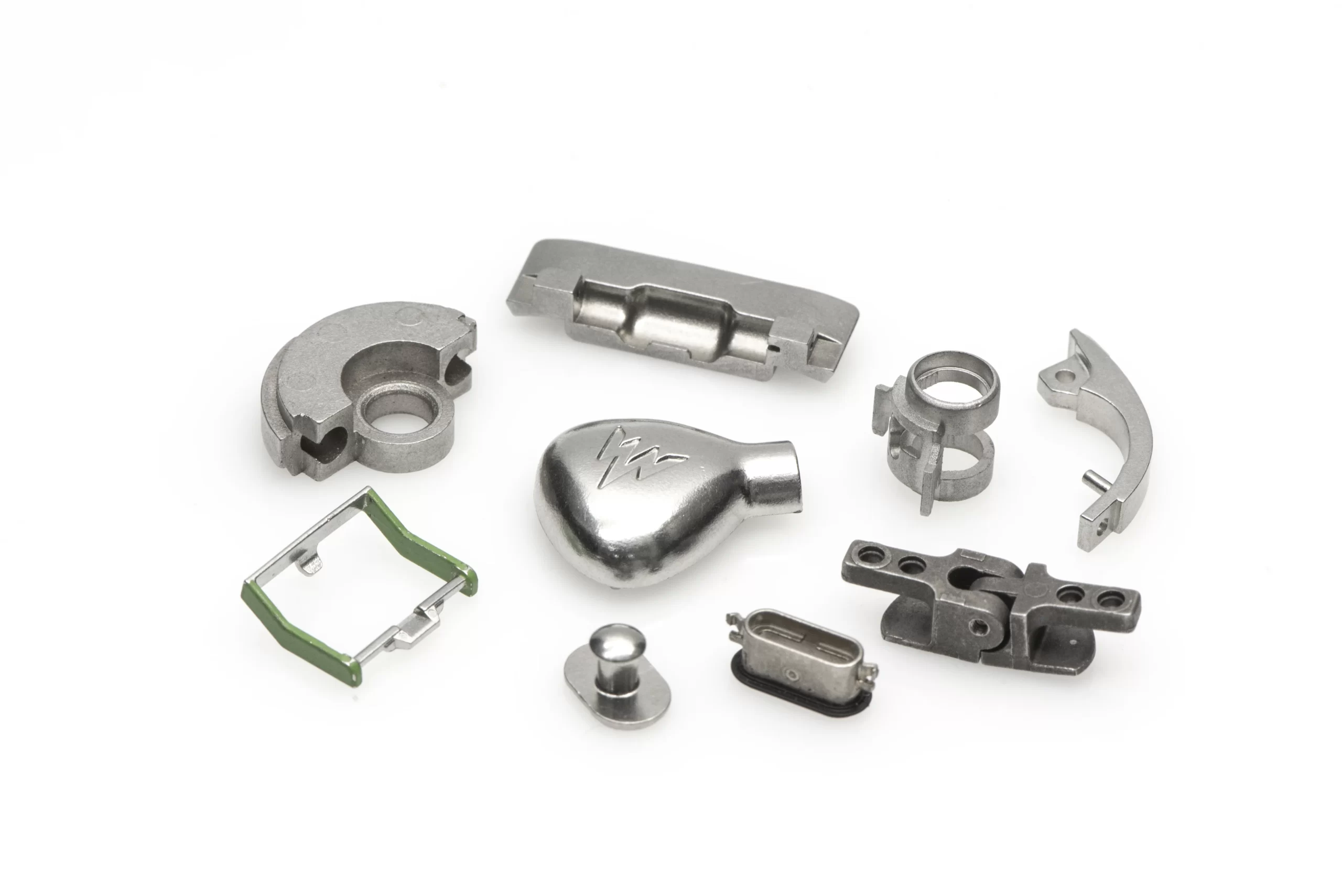
✅ ±0.3% dimensional accuracy
✅ 1-2μm surface roughness (Ra)
✅ 50K-1M+ parts/year
Metal 3D Printing Processes
| Type | Cost/Part | Precision | Best For |
|---|---|---|---|
| Binder Jetting | 8−15 | ±0.3mm | Prototypes |
| SLM | 25−50 | ±0.1mm | Aerospace |
| DED | 50−120 | ±0.5mm | Large repairs |
Unique Advantages:
🔹 Zero tooling costs
🔹 400% faster design iterations
🔹 Internal lattice structures
Cost Analysis: 3D Printing vs MIM
2024 Cost Comparison Table
| Parameter | MIM | 3D Printing |
|---|---|---|
| Tooling Cost | 30k−100k | $0 |
| Per Unit (1k pcs) | $4.50 | $18.75 |
| Lead Time | 4 weeks | 2 weeks |
| Minimum Order | 5,000 units | 1 unit |
Data Source: AMPOWER Report
Breakdown:
- Under 500 units: 3D printing saves 40-60%
- Over 10k units: MIM costs 70% less
Industry Applications
Where MIM Dominates
- Medical: 500K+/month surgical staples
- Automotive: 1M+/year gear components
- Electronics: ±0.05mm connector pins
3D Printing Growth Areas
- Aerospace: Fuel nozzles (30% weight reduction)
- Healthcare: Custom knee implants (72hr delivery)
- Energy: Turbine blades (1,200°C resistance)
Technical Deep Dive: 3D Printing vs MIM
Material Properties
| Property | MIM | 3D Printing |
|---|---|---|
| Density | 97% | 99.5% |
| Tensile Strength | 800 MPa | 1,200 MPa |
| Surface Finish | Ra 1.2μm | Ra 12.5μm |
Critical Insight:
MIM achieves better surface finish, while 3D printing enables stronger parts through full melting.
Future Outlook
Hybrid Solutions Emerging
- MIM Tooling + 3D Printed Cores: Reduces mold costs by 40%
- BinderJet-MIM Hybrid: 5x faster than traditional MIM
Market Projections (2024-2030):
- MIM: 6.5% CAGR → $8.2B market
- 3D Printing: 18.3% CAGR → $35.1B market
FAQ: 3D Printing vs MIM
Q: Which is better for small medical devices?
A: MIM for volumes >5k units, 3D printing for <500 units.
Q: Can 3D printing match MIM surface finish?
A: Only with post-processing (e.g., polishing adds $8-15/part).
Conclusion
The 3D Printing vs MIM competition isn’t winner-takes-all. Smart manufacturers:
- Use MIM for high-volume precision
- Deploy 3D Printing for complex/custom parts
- Invest in hybrid solutions for 15-20% cost savings