
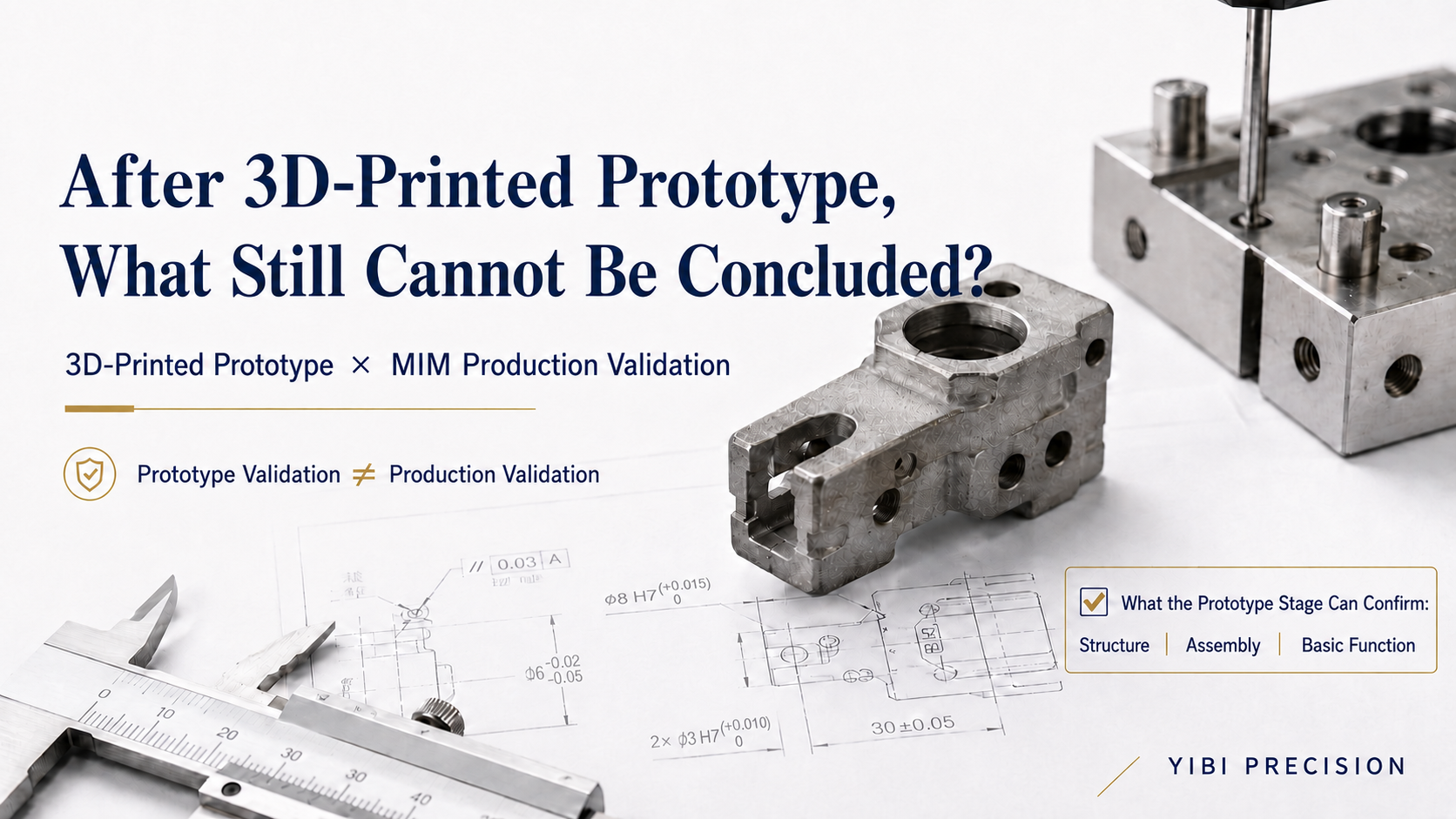
After 3D-Printed, What Still Needs to Be Proven in MIM Production?
Before committing to MIM tooling, metal 3D printing can turn a digital design into a physical prototype, helping teams identify design issues earlier in the
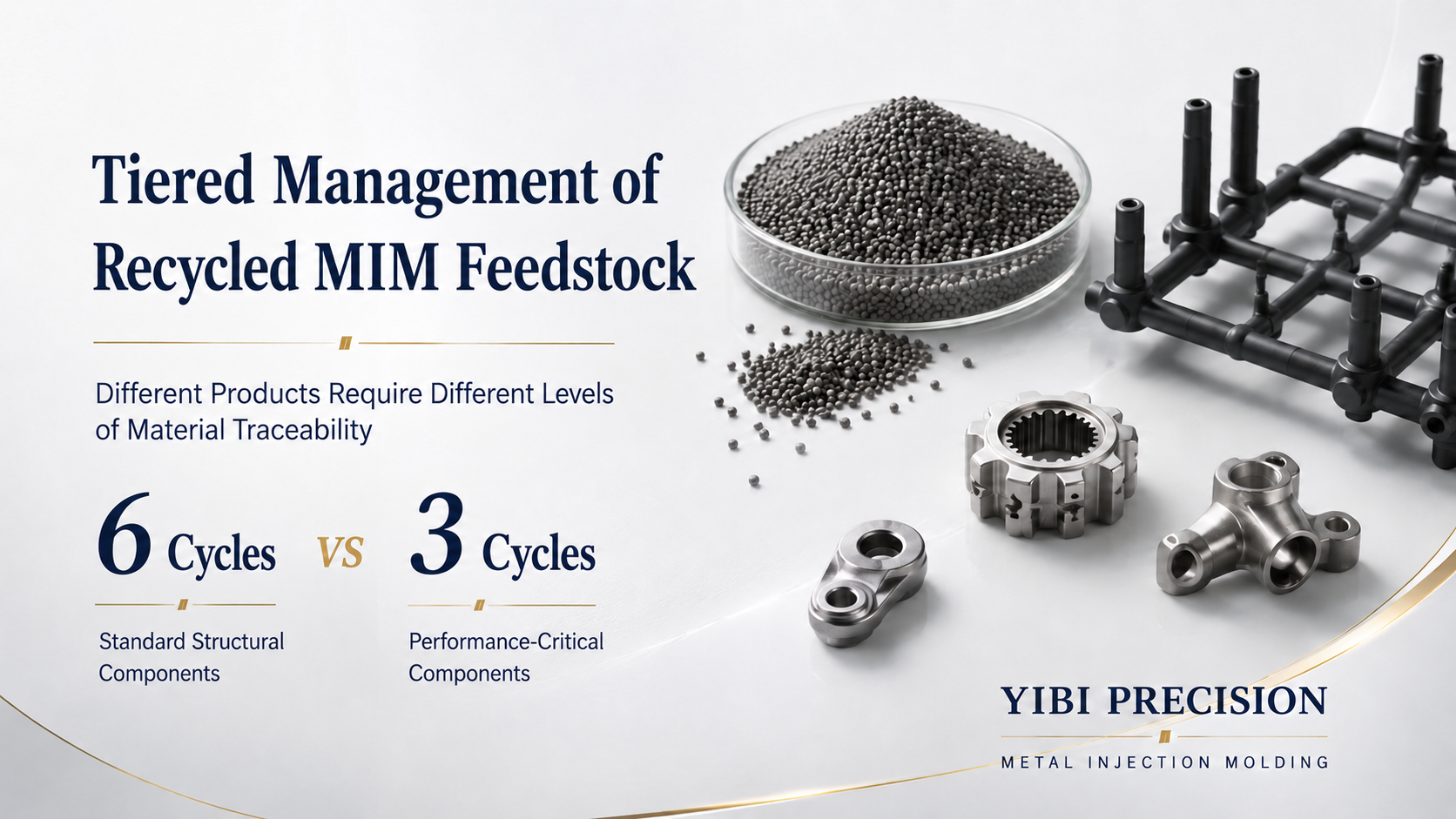
Reused MIM Feedstock: Different Products, Different History Requirements
In MIM production, runners, sprues, and other feedstock generated after injection molding can be reprocessed and returned to production under controlled conditions, provided they have

AI + MIM: Building Reliable Liquid Cooling Components Through Design Integration and Process Control
As AI servers and high-performance computing continue to advance, liquid cooling systems are taking on an increasingly important role in thermal management. However, for liquid
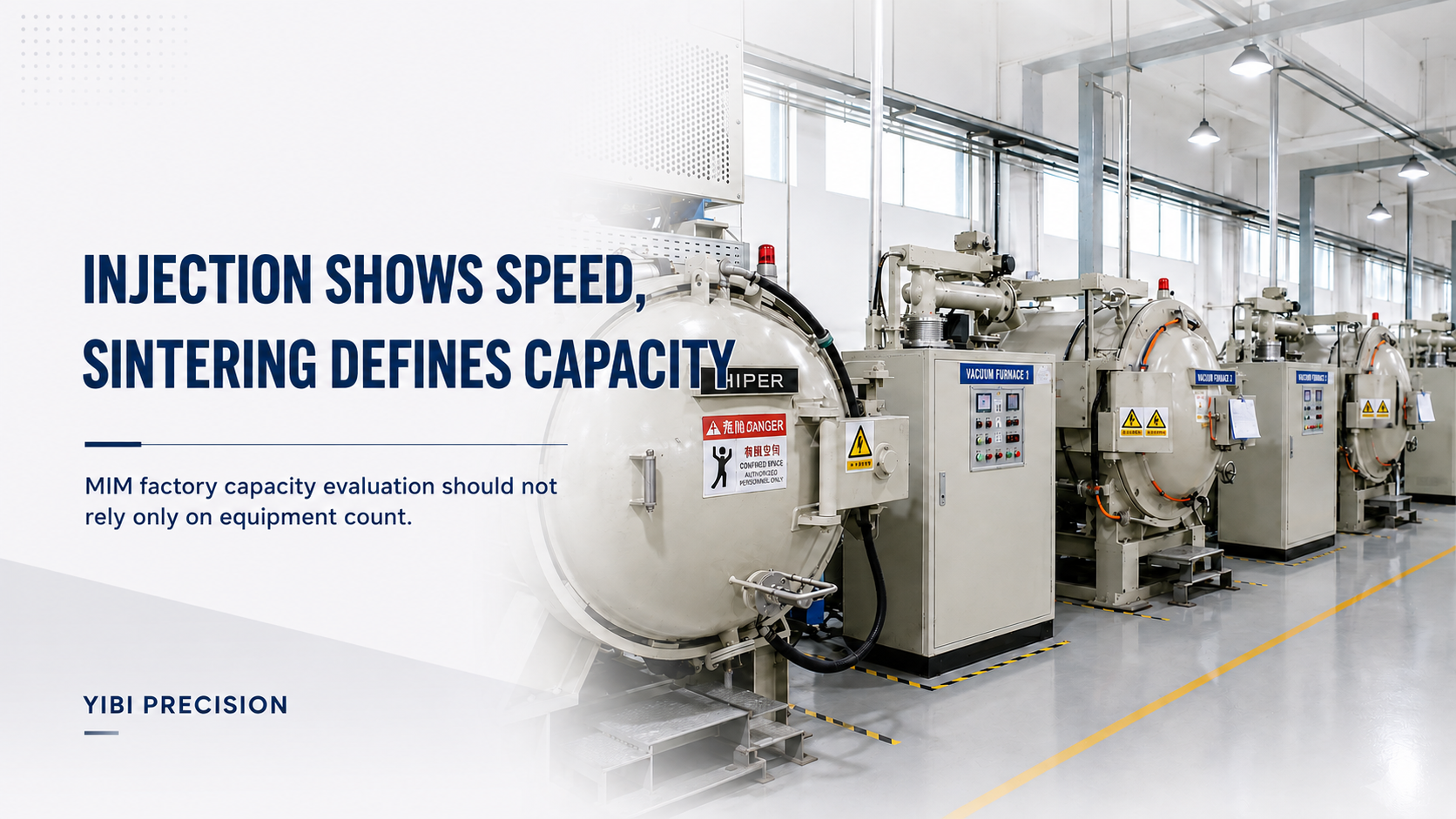
Why MIM Capacity Evaluation Should Start with the Furnace, Not Just the Injection Machines
When visiting a MIM factory, the injection molding area often makes the strongest first impression. Rows of machines run continuously. Molds open and close. Robots
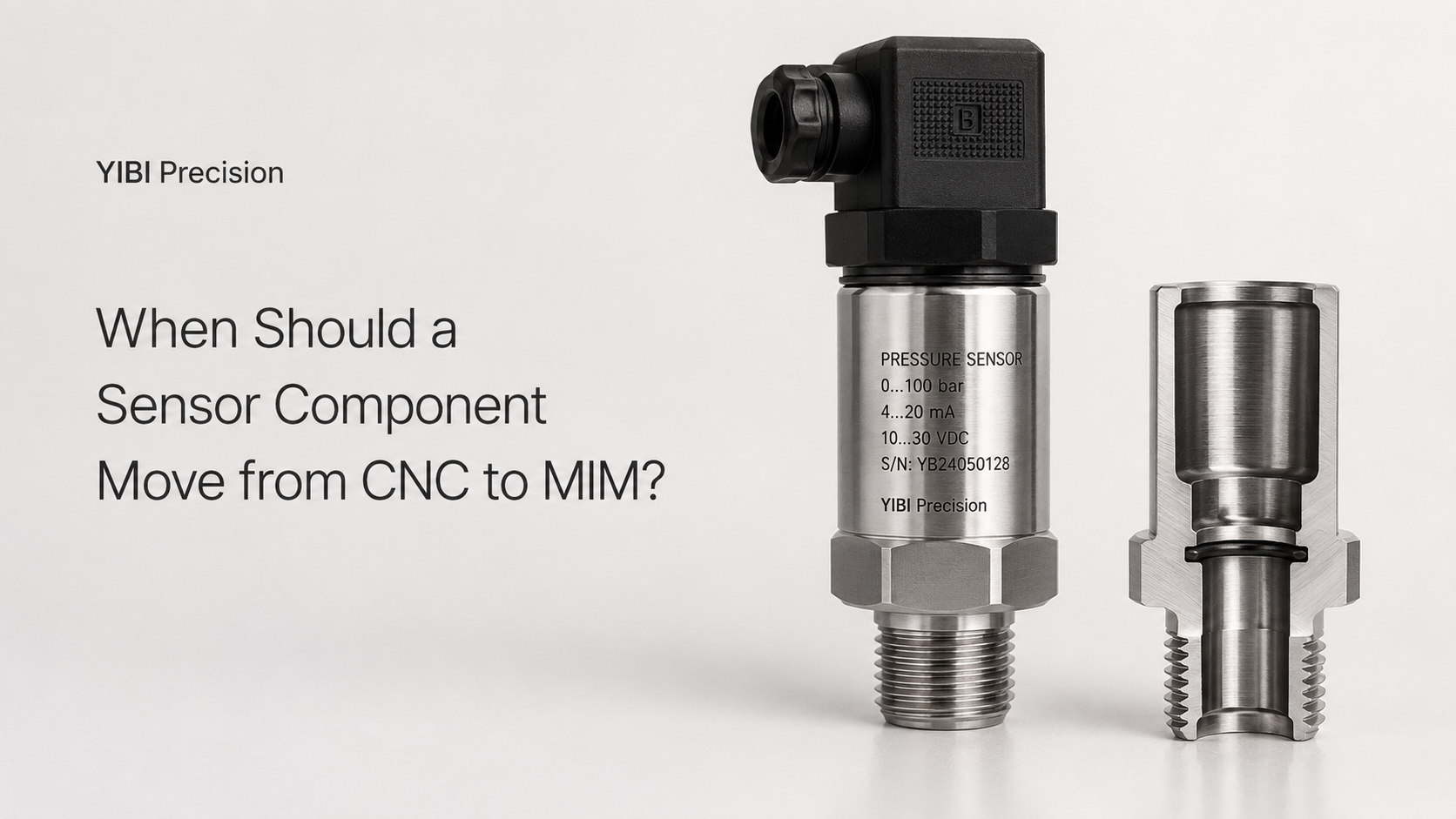
When Should a Sensor Component Move from CNC to MIM?
When engineers talk about sensor performance, the conversation usually begins with sensing elements, signal accuracy and response time. But every sensor also depends on a
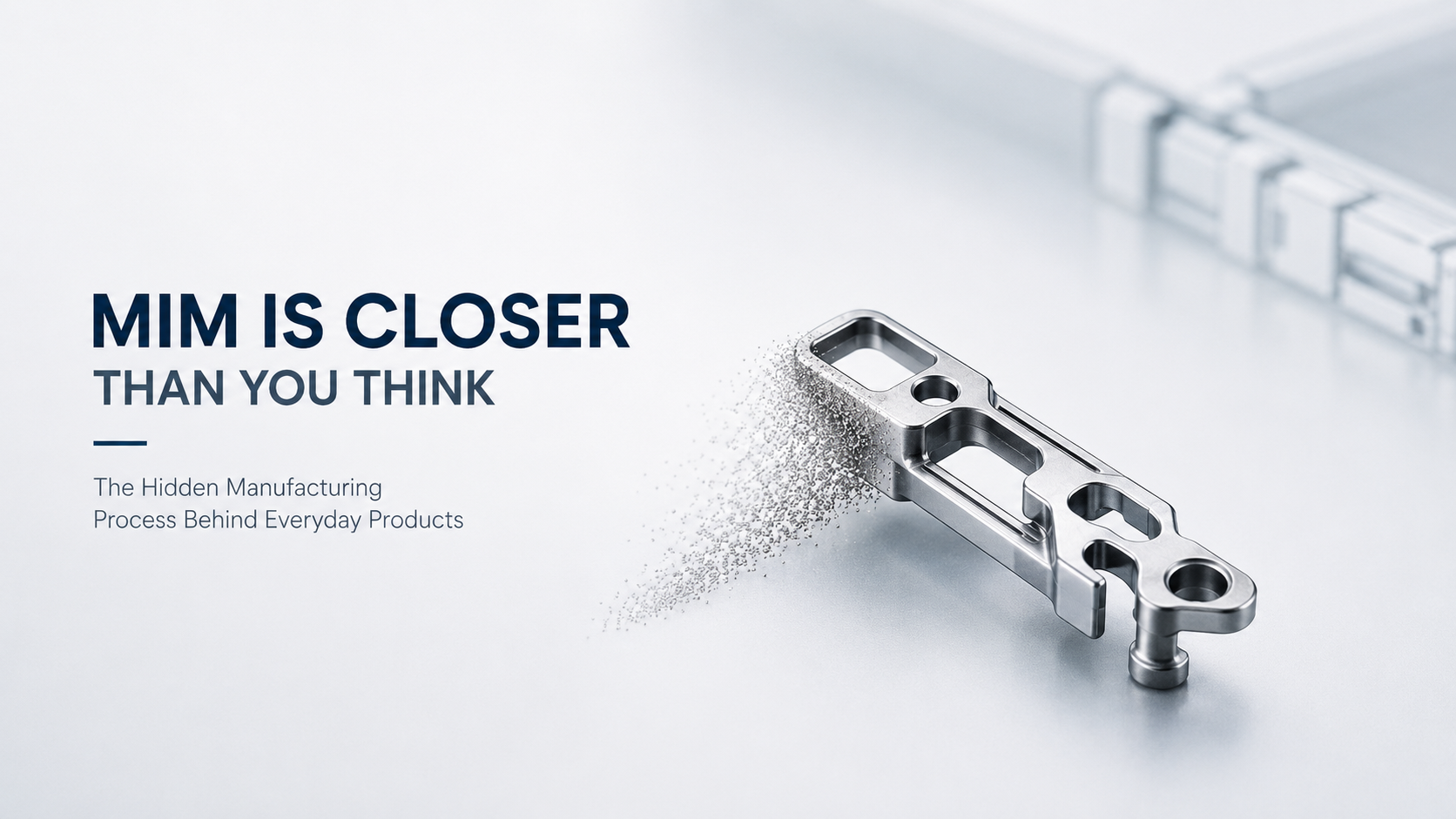
You May Be Using MIM Parts Every Day Without Ever Hearing of Them
A foldable smartphone may be opened and closed dozens of times every day. Hidden beneath the screen, its hinge must accommodate multiple precision metal components
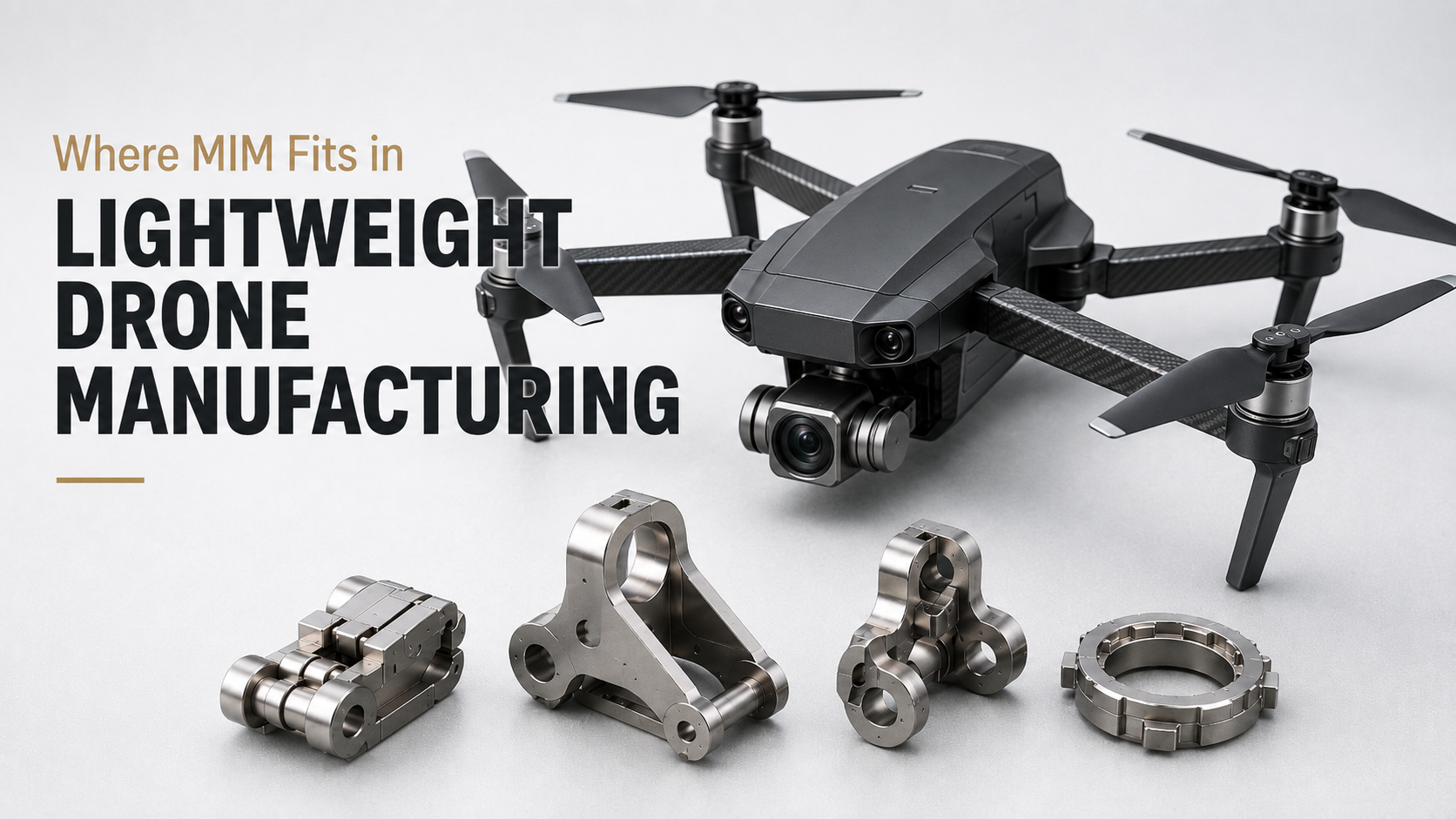
Where MIM Fits in Lightweight Drone Manufacturing
Drone design is strongly shaped by lightweight requirements. Every gram can affect flight time, energy efficiency, payload capacity, and flight stability. That is why many
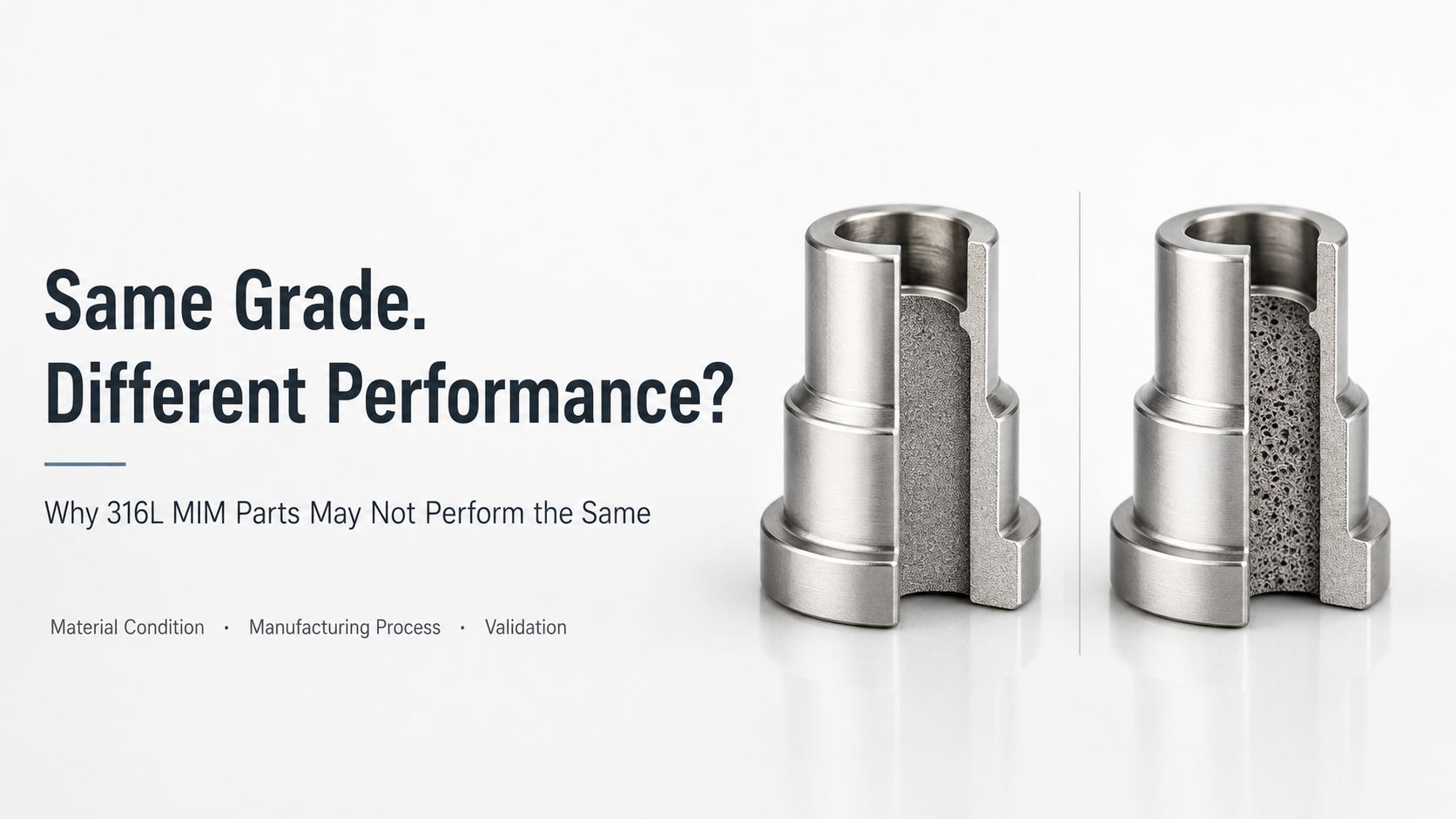
The Material Grade Is the Same. Will the MIM Part Perform the Same?
Two MIM suppliers receive the same drawing. Both specify 316L stainless steel. Both sets of samples meet the dimensional tolerances, and both chemical composition reports
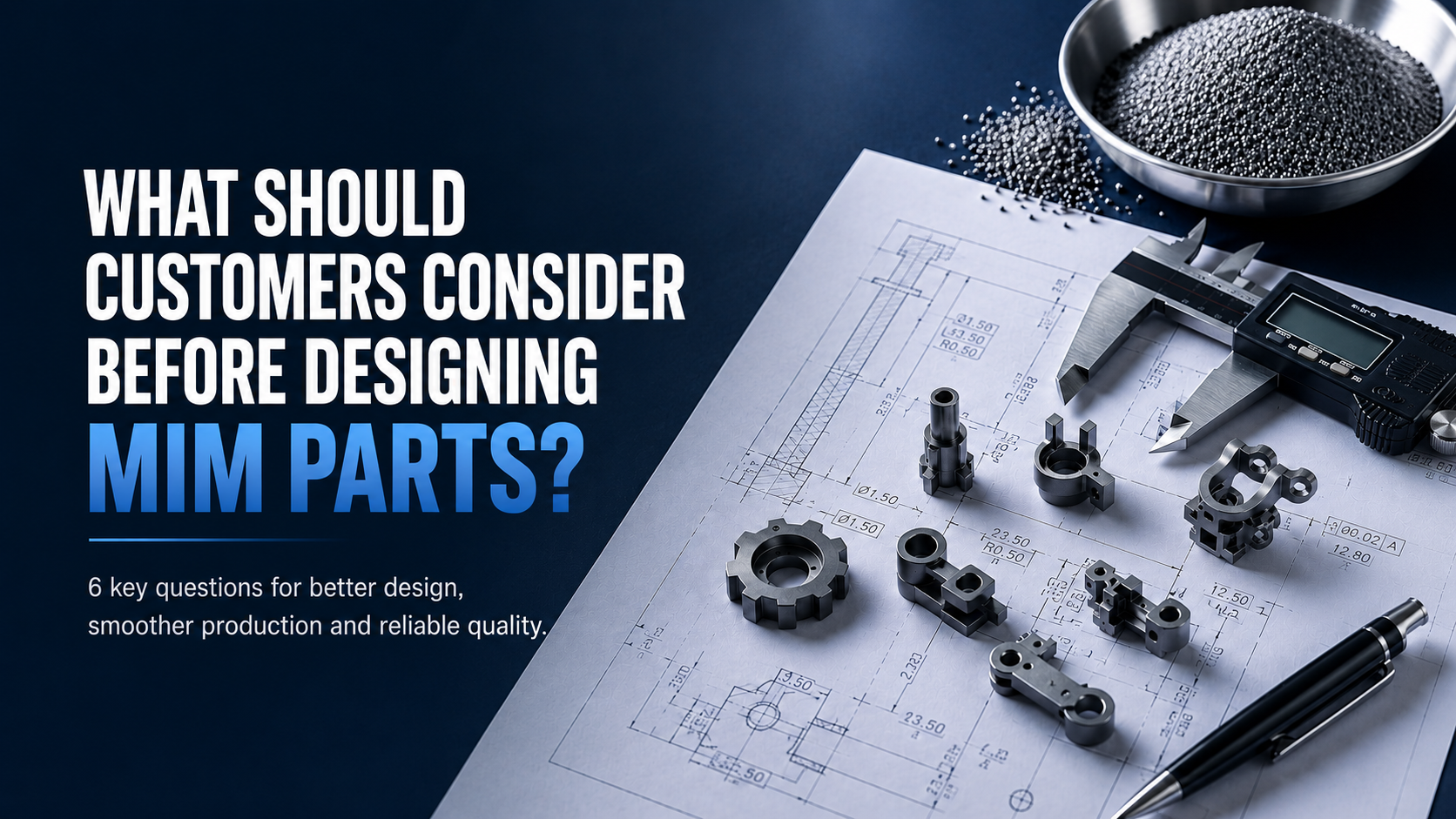
What Should Customers Consider Before Designing a MIM Part?
In many MIM projects, cost, quality and production stability are not decided after tooling begins. They are often decided much earlier — at the design